The Benefits of Sage ERP: A Comprehensive Review
Welcome to our comprehensive review of Sage Enterprise Resource Planning (ERP) software. If you’re considering investing in an ERP system for your business, you’ve come to the right place. In this article, we will explore the numerous benefits of Sage ERP, including improved efficiency, streamlined processes, and better decision-making capabilities. Whether you’re a small startup or a large corporation, Sage ERP has something to offer for businesses of all sizes. So sit back, relax, and let’s dive into the world of Sage ERP.
Overview of Sage ERP Features
Sage ERP is a comprehensive business management solution that helps companies streamline their operations and increase efficiency. With a wide range of features, Sage ERP offers businesses the tools they need to manage their finances, inventory, sales, and more. Let’s take a closer look at some of the key features that make Sage ERP stand out from the competition.
One of the standout features of Sage ERP is its robust financial management capabilities. With Sage ERP, companies can easily create and track budgets, manage cash flow, and generate financial reports. The system also allows for multi-currency transactions, making it easy for businesses to operate on a global scale. In addition, Sage ERP offers advanced financial forecasting tools, helping companies make informed decisions about their future financials.
Another key feature of Sage ERP is its inventory management capabilities. With Sage ERP, businesses can track their inventory levels in real-time, ensuring that they always have the right products on hand to meet customer demand. The system also offers sophisticated inventory forecasting tools, helping businesses minimize stockouts and reduce excess inventory. In addition, Sage ERP allows companies to set up automated reorder points, streamlining the purchasing process.
When it comes to sales and customer management, Sage ERP has a number of features that set it apart from the competition. The system allows businesses to track customer interactions, manage sales orders, and generate sales forecasts. Sage ERP also offers robust CRM capabilities, helping companies build stronger relationships with their customers and increase customer retention rates. In addition, Sage ERP integrates seamlessly with popular e-commerce platforms, making it easy for businesses to sell their products online.
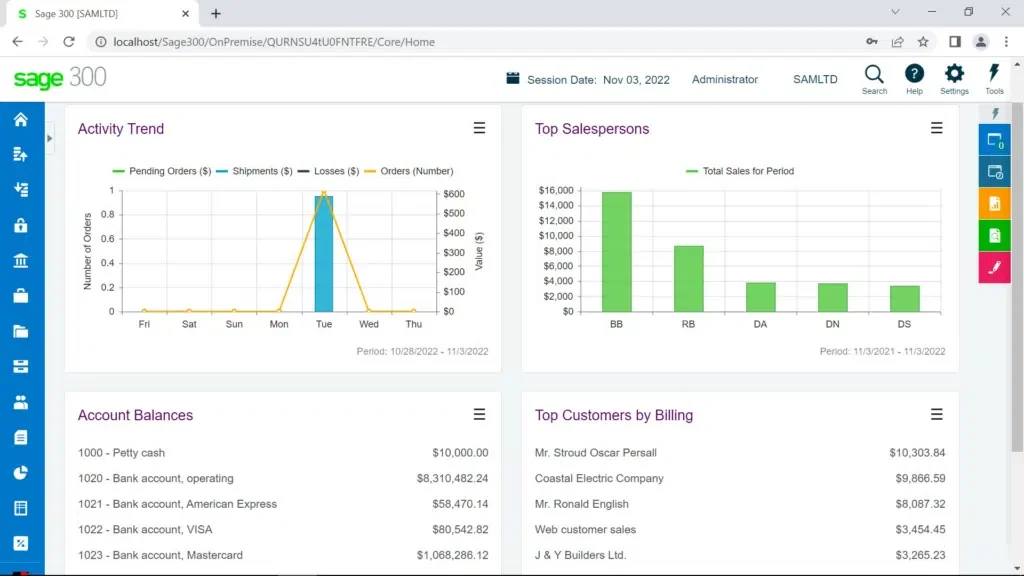
Sage ERP also offers powerful reporting and analytics tools, giving businesses valuable insights into their operations. The system allows companies to generate customized reports on a variety of metrics, such as sales performance, inventory turnover, and profit margins. Sage ERP also offers dashboards that provide real-time updates on key performance indicators, helping companies make data-driven decisions.
Overall, Sage ERP is a versatile and comprehensive business management solution that offers a wide range of features to help companies improve their operations. With its robust financial management capabilities, advanced inventory forecasting tools, and powerful sales and customer management features, Sage ERP is a valuable tool for businesses looking to boost their efficiency and profitability.
Implementation Process of Sage ERP
Implementing Sage ERP can be a smooth and successful process if you follow the right steps. The implementation process of Sage ERP typically involves several key stages:
1. Planning: The first step in implementing Sage ERP is to create a detailed plan outlining the objectives, timelines, and resources required for the project. This stage involves identifying key stakeholders, setting realistic goals, and establishing a timeline for completion.
2. Data Migration: Data migration is a crucial step in the implementation process of Sage ERP. This involves transferring all existing data from your old system to the new Sage ERP platform. The data migration process can be complex and time-consuming, as it requires ensuring that all data is accurately transferred without any loss or corruption. It is important to thoroughly map out the data migration process and test it extensively before going live with the new system. Additionally, it is essential to have a backup plan in case any issues arise during the data migration process.
3. Configuration: Once the data migration is complete, the next step is to configure the Sage ERP system according to your specific business requirements. This involves setting up modules, workflows, user permissions, and customizations to ensure that the system aligns with your organization’s processes and goals. It is crucial to involve key stakeholders in the configuration process to ensure that the system meets their needs and expectations.
4. Training: Training is a critical component of the implementation process of Sage ERP. To ensure successful adoption of the new system, all users must be adequately trained on how to use the system efficiently and effectively. Training should be tailored to different user roles and levels of expertise to ensure that everyone has the knowledge and skills required to use the system confidently. Providing ongoing training and support post-implementation is also essential to address any issues or concerns that may arise.
5. Testing and Go-live: Before going live with the new Sage ERP system, it is vital to conduct thorough testing to ensure that the system functions as intended and meets the established objectives. Testing should involve all key stakeholders and end-users to identify any issues or areas for improvement. Once testing is complete and any necessary adjustments have been made, the system can be officially launched or go-live. It is essential to have a contingency plan in place in case any unforeseen issues arise during the go-live process to minimize disruption to business operations.
6. Post-implementation Evaluation: After the system has been live for a period of time, it is crucial to conduct a post-implementation evaluation to assess the effectiveness of the Sage ERP system. This involves gathering feedback from users, identifying any challenges or areas for improvement, and making any necessary adjustments to optimize system performance. Regular monitoring and evaluation of the system post-implementation are essential to ensure ongoing success and maximize the return on investment.
By following a structured and comprehensive implementation process, organizations can successfully implement Sage ERP and realize the benefits of improved efficiency, productivity, and decision-making capabilities.
Benefits of Using Sage ERP System
Using Sage ERP system can bring a multitude of benefits to businesses of all sizes. From streamlining operations to improving decision-making processes, this software can greatly enhance the overall efficiency of an organization. Here are some of the key benefits of implementing Sage ERP system:
1. Enhanced Efficiency: One of the main advantages of using Sage ERP system is the enhanced efficiency it provides. By automating manual processes and centralizing data, businesses can significantly reduce the time and effort required to complete tasks. This can lead to increased productivity and cost savings in the long run.
2. Improved Visibility: Another important benefit of Sage ERP system is the improved visibility it offers into various aspects of an organization. By consolidating data from different departments into a single system, businesses can gain a comprehensive view of their operations. This enables better decision-making and strategic planning, as executives have access to real-time information at their fingertips.
3. Customization and Scalability: One of the key advantages of Sage ERP system is its flexibility and scalability. Businesses can customize the software to suit their specific needs and industry requirements. Whether it’s adding new modules, integrating with other systems, or tailoring reports, Sage ERP system can be easily adapted to meet the changing needs of a growing business. In addition, the software is scalable, meaning it can grow with the organization as it expands its operations.
4. Integration Capabilities: Sage ERP system offers seamless integration with other software applications, such as CRM, e-commerce platforms, and third-party tools. This not only eliminates the need for manual data entry and reduces the risk of errors but also improves collaboration and communication across different departments. With all systems working together, businesses can achieve a more cohesive and efficient workflow.
5. Compliance and Security: With increasing regulatory requirements and data security concerns, businesses need a reliable system that ensures compliance and protects sensitive information. Sage ERP system provides robust security features, such as role-based access control, data encryption, and audit trails, to safeguard critical data and prevent unauthorized access. This helps businesses maintain compliance with industry standards and regulations, giving them peace of mind.
In conclusion, Sage ERP system offers a wide range of benefits that can help businesses streamline operations, improve decision-making, and achieve sustainable growth. By leveraging the features and capabilities of this software, organizations can gain a competitive edge in today’s fast-paced business environment.
Comparison of Sage ERP with Other ERP Systems
When comparing Sage ERP with other ERP systems in the market, there are several key factors that set Sage apart from the competition. One of the main advantages of Sage ERP is its ease of use and user-friendly interface. Many users find Sage ERP to be intuitive and simple to navigate, making it easier for employees to adopt and use on a daily basis.
Another significant advantage of Sage ERP is its customization options. Sage offers a range of modules and features that can be tailored to fit the specific needs of a business. This flexibility allows companies to create a system that is unique to their operations and helps improve overall efficiency.
Additionally, Sage ERP is known for its robust reporting and analytics capabilities. The system provides detailed insights and real-time data that can help businesses make informed decisions and improve performance. With customizable dashboards and easy-to-use reporting tools, Sage ERP makes it simple for users to track key metrics and monitor business performance.
Furthermore, Sage ERP stands out for its strong customer support and training resources. The company offers comprehensive training programs and ongoing support to help users get the most out of their ERP system. This level of support can be invaluable for companies that are implementing a new system or transitioning to Sage ERP for the first time.
In contrast, some other ERP systems on the market may lack the same level of customization and flexibility that Sage ERP offers. This can make it difficult for businesses to tailor the system to their specific needs and may result in inefficiencies and limitations in functionality.
Additionally, not all ERP systems provide the same level of reporting and analytics capabilities as Sage ERP. Some systems may lack detailed insights and real-time data, making it harder for businesses to track performance and make informed decisions.
Finally, customer support and training resources can vary significantly among different ERP providers. Some companies may not offer as comprehensive of training programs or ongoing support as Sage does, which can make it challenging for users to fully utilize their ERP system.
Customer Reviews and Satisfaction with Sage ERP
Sage ERP has received positive reviews from customers who have implemented the software in their businesses. Many users have praised the user-friendly interface and customizable features that Sage ERP offers. Customers have also appreciated the seamless integration with other business applications such as CRM software and accounting programs. The ability to access real-time data and generate detailed reports has been a standout feature for many users, allowing them to make informed decisions to drive their business forward.
One of the key advantages of Sage ERP, according to customer reviews, is the scalability of the software. Businesses of all sizes can benefit from using Sage ERP, whether they are small startups or large enterprises. The flexibility of the software allows companies to adapt to changing business environments and scale their operations as needed. This has been a major selling point for customers who are looking for a long-term solution that can grow with their business.
Another aspect that customers have highlighted in their reviews is the excellent customer support provided by Sage ERP. Users have praised the responsiveness of the support team and the depth of knowledge that they possess. Whether customers have questions about implementation, training, or troubleshooting, the support team at Sage ERP is always willing to lend a helping hand. This level of customer service has been a major factor in the overall satisfaction of users with the software.
Customers have also expressed satisfaction with the affordability of Sage ERP compared to other ERP solutions on the market. The pricing structure of Sage ERP is transparent and easy to understand, with no hidden fees or surprise charges. This has been a major advantage for businesses that are looking to invest in an ERP system without breaking the bank. Customers have also appreciated the value that they receive for the cost of the software, with many stating that Sage ERP has been a worthwhile investment for their business.
In addition to the features and support provided by Sage ERP, customers have also been impressed by the regular updates and improvements that are made to the software. Sage ERP is constantly evolving to meet the changing needs of businesses and stay ahead of the competition. Customers have noted that the updates are easy to install and often include new features that enhance the usability and functionality of the software. This commitment to innovation has been a major factor in the high satisfaction levels of customers with Sage ERP.
Originally posted 2025-05-05 04:45:50.